Less Talk, More Action
Born out of conviction to drive positive change in the garment industry.
Product
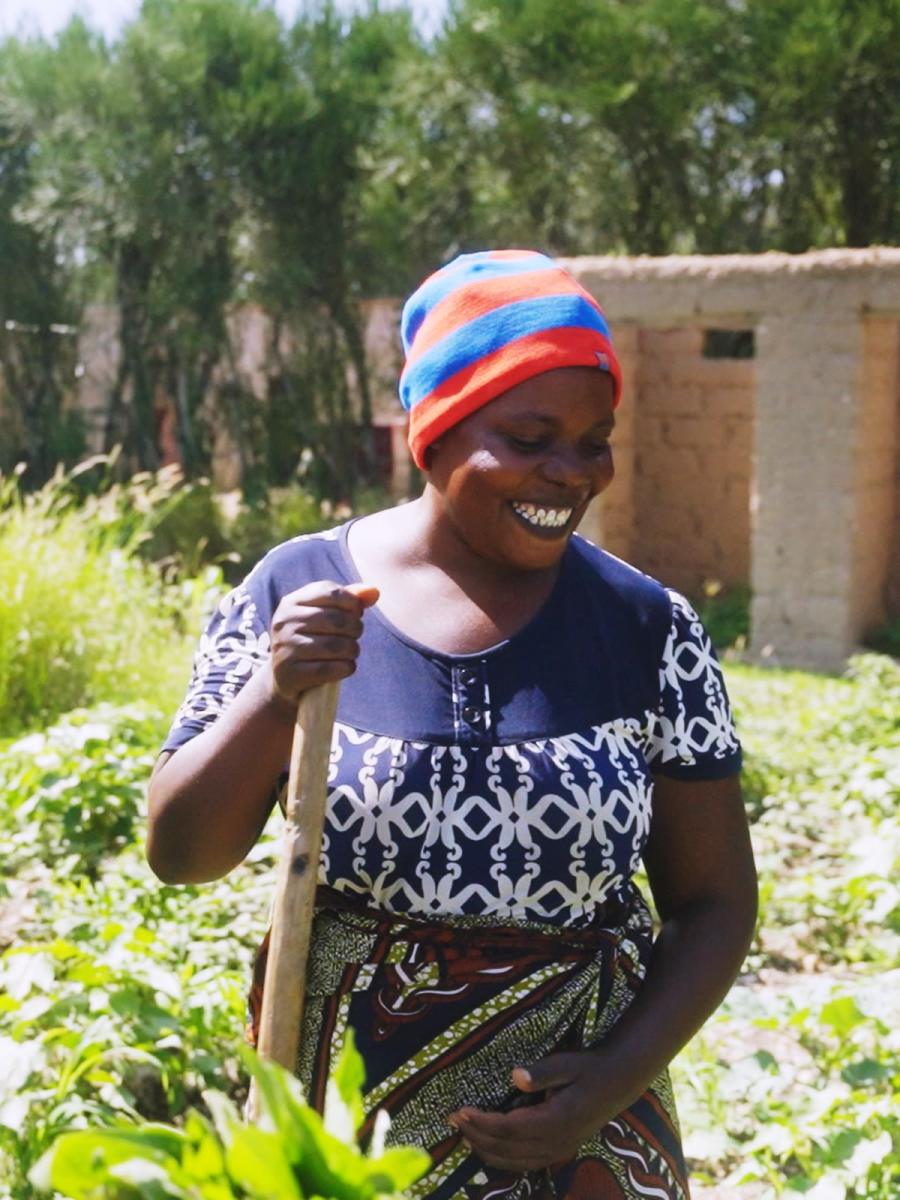
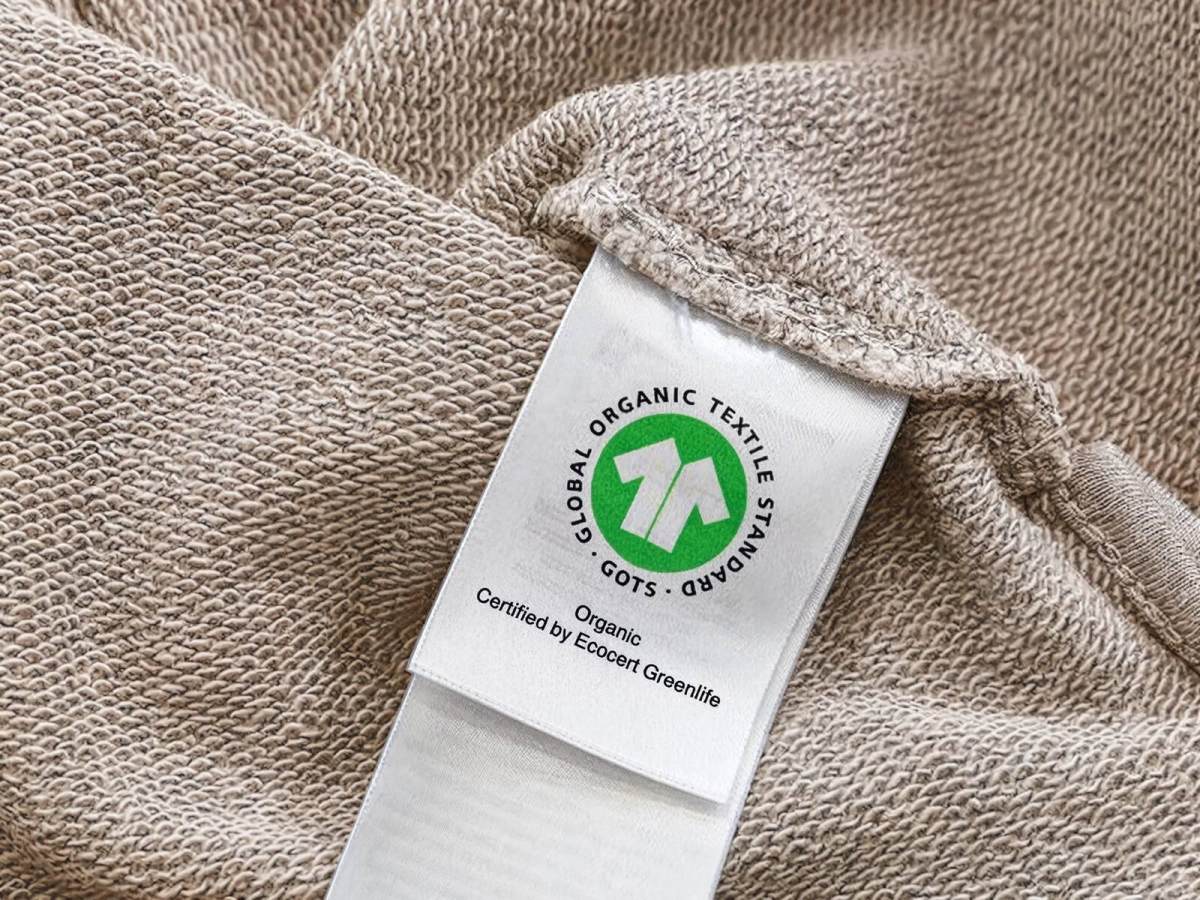
Responsible garments start with the right materials. Since day one, we have used 100% certified organic, recycled or regenerative cellulosic fibres, holding the most robust certifications like GOTS, GRS and OEKO-TEX®.
People
The safety and well-being of the people who make our garments comes first. Through our membership with the Fair Wear Foundation, we work closely with our partner factories to support improvements in working conditions and contribute to local community initiatives.
Planet
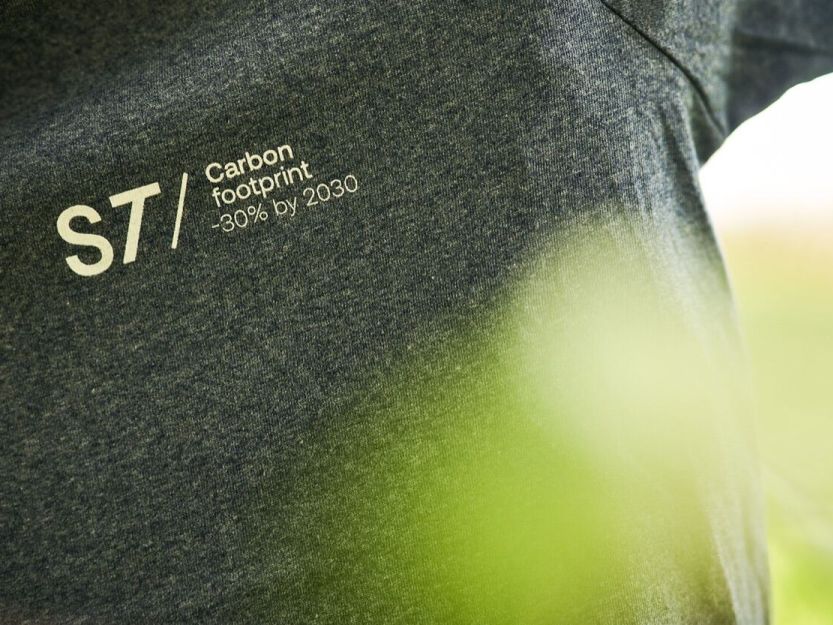
We've embarked on one of our boldest challenges yet: reducing carbon emissions by 30% across our entire value chain by 2030. Smarter energy use and renewable innovation are powering this change.
Our journey
Milestones of progress

2012
We were founded with a mission of doing better for the planet and people. 100% GOTS-certified organic cotton and OEKO-TEX certifications across every product, since day 1.

2013
We achieve Fair Wear Foundation Leader status.

2014
The Bangladesh Liaison Office is opened to deepen our partnerships with carefully selected factories.
2015
The first Stanley/Stella Official Dealer becomes GOTS certified, as we support our wider community to become more sustainable.

2019
We introduce the first recycled materials into our ranges, including polyester. We design our products without animal-derived materials, aligned with an approach that avoids harm to animals.

2020
We launch the Stanley/Stella Fund For A Better World, in collaboration with the King Baudouin Foundation. This initiative supports long-term environmental and social impact from the start of our supply chain.

2023
We launch our first Direct-to-Farm partnership with Remei in Tanzania, strengthening worker rights and fibre traceability at origin. We created our mobile hospitals program, providing free healthcare access to factory communities. We partnered with various charities across Europe, donating thousands of garments to people in need.
2024
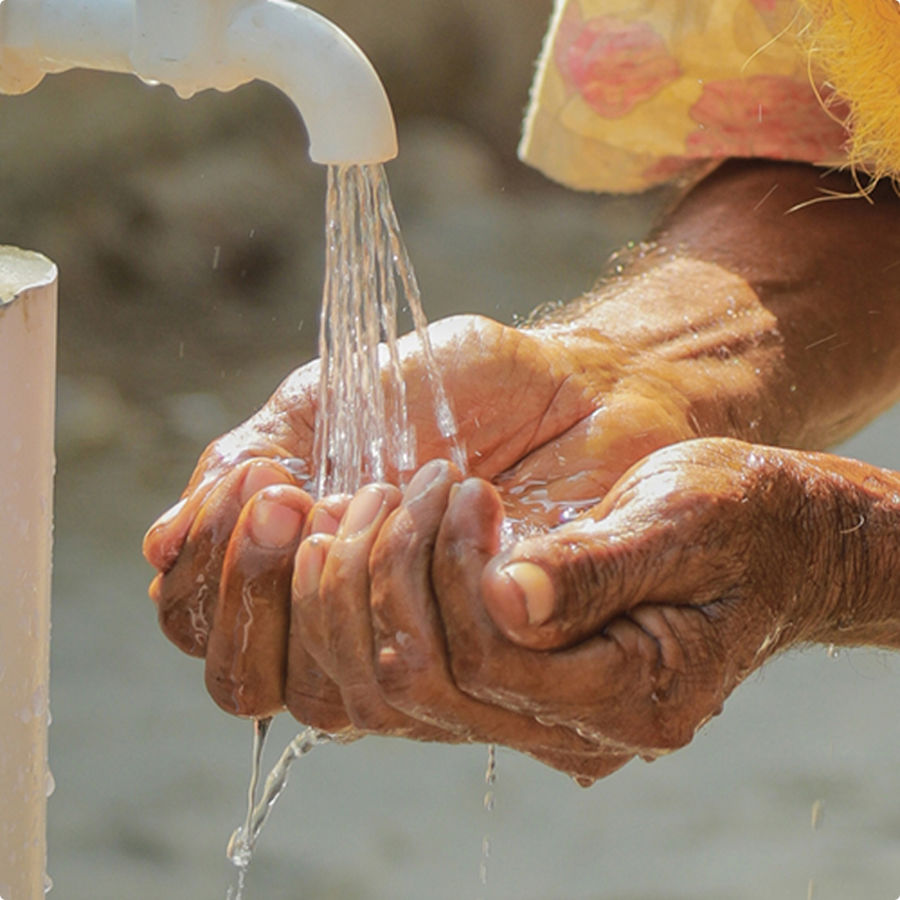
We commit to reducing carbon emissions across our entire value chain by −30% by 2030. We also bring clean drinking water to 20 villages around our partner factories in Bangladesh, and begin investment in wind energy projects in India.

2025
We publish the environmental footprint of our products to increase transparency across our value chain. We also support solar energy projects in India to accelerate decarbonisation beyond our operations.